
Monday Ignition: Quiet Pulse Beneath Narrative Design
Stillness often exposes the deepest narrative shift because silence clears away every distraction. In the absence of noise, theme takes control of the story’s path with absolute clarity.
KEY TECHNIQUES
1. Theme guiding narrative direction. An underlying question shapes each moment, even within stillness.
2. Interior tension driving scene energy. A character’s private conflict determines every gesture and shift of attention.
3. Escalation through restraint. Pressure rises through silence, implication, and controlled movement.
500-WORD WRITING PROMPT
Write a contemporary scene set in a single contained space. Keep the outward action minimal. Build the moment around a small decision that reveals the story’s thematic force without naming it.
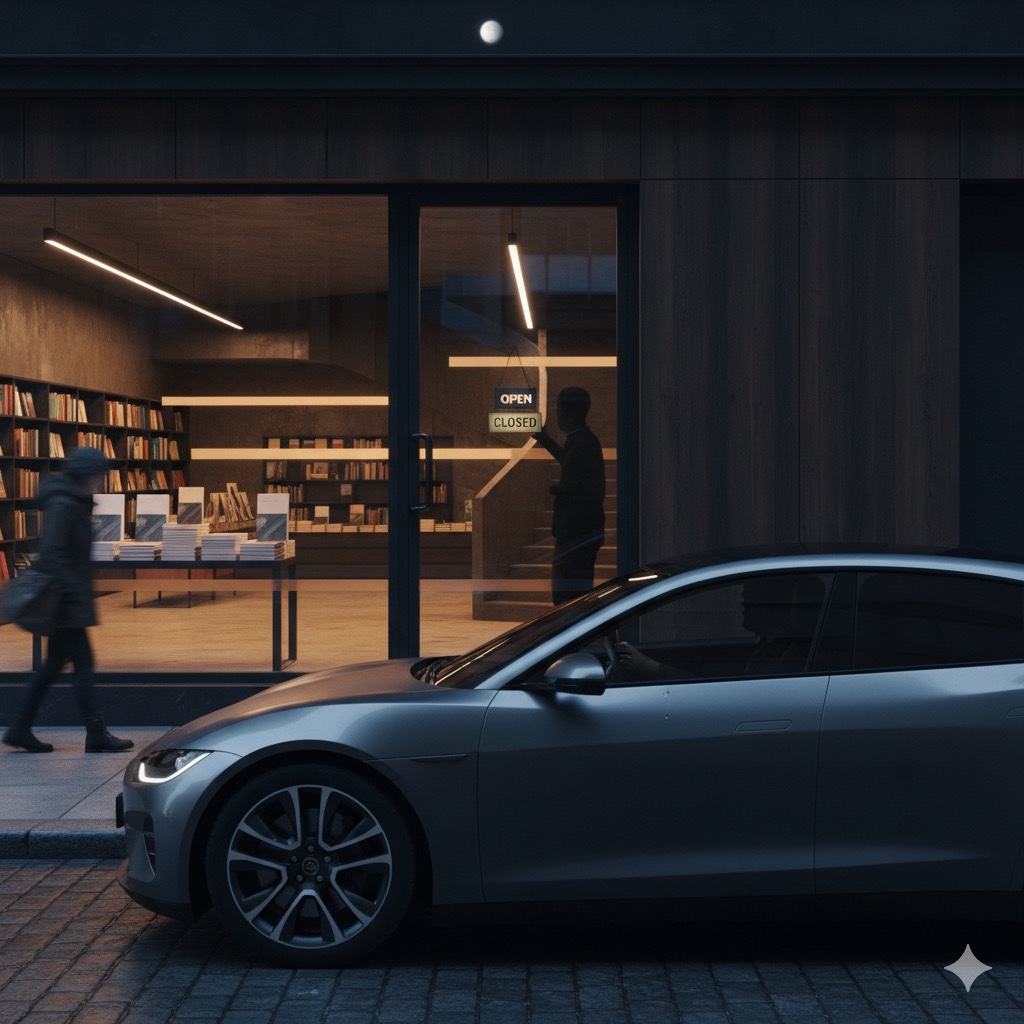
Choose a quiet location: a kitchen after midnight, an empty waiting room, a parked car outside a school, or a nearly closed bookstore. Limit external action to simple controlled gestures such as adjusting clothing, rearranging an object, or checking a screen. Let these actions reflect the character’s interior pressure rather than decorative movement.
The central decision should appear ordinary from the outside. It might involve replying to a message, discarding or keeping an object, stepping into a room or remaining at the threshold, speaking a single sentence or choosing silence. Allow this decision to influence the direction of the story. Show the interior conflict through exact sensory-linked thoughts: a memory rising at the wrong moment, a desire that tightens rather than fades, a suspicion that presses forward, or a hope the character does not fully trust. Let these internal movements guide the tempo and shape of the scene.
Maintain quiet tension throughout. Avoid dramatic spikes. Let the scene gain energy through selective focus, precise pauses, and the pull between what the character believes they want and what the theme urges them to confront. End with a decision that carries quiet but unmistakable consequences for the story’s future.
EVALUATION CRITERIA
A strong response lets the theme determine each beat of the scene. The character’s decision creates a clear turning point without noise or spectacle. Interior thoughts are concrete, closely observed, and tied to the immediate environment. Details feel chosen by the thematic pressure rather than placed for convenience. The quiet tone heightens rather than diminishes tension.
A weak response explains theme directly, relies on external events to create impact, or presents interiority as vague mood. The final decision feels unmoved by the character’s inner conflict or disconnected from the scene’s underlying tension.
FOLLOW-UP REVISION QUESTIONS
Which chosen details reveal the theme without stating it?
Where does the character pause, and what does this pause reveal about their conflict?
Which gesture holds the greatest narrative weight and why?
How does the final decision redirect the story’s path?
What lines repeat emotion without adding depth or precision?
EXEMPLAR
William Trevor’s story The Piano Tuner’s Wives demonstrates quiet narrative power shaped by interior recalibration. Its movement depends on withheld comments, small choices, and private comparisons that allow the theme to guide the story with remarkable precision.
AI Disclosure Statement:
This writing prompt was created in collaboration with ChatGPT, an AI model by OpenAI, to support creative practice. ChatGPT assisted with idea generation and drafting; the final text was edited by the author. The illustration was created using Google Gemini.

Leave a comment