
Friday Catalyst: The Opening Pressure Point
A story’s beginning is not about introducing the world; it is about destabilizing it just enough that the reader unconsciously commits to repairing it. The true beginning is not a door opening; it is a hairline crack in the frame that makes the reader afraid the door will not hold.
Key techniques
1. Compressed world-building: revealing a full environment through sensory and emotional implication rather than overt description.
2. Tone as orientation: creating immediate tonal clarity through rhythm, syntax, and diction that guides the reader’s emotional expectations.
3. Latent conflict: embedding the story’s core tension into the very first movement, so the reader feels opposition before fully understanding it.
Prompt (approximately 500 words)
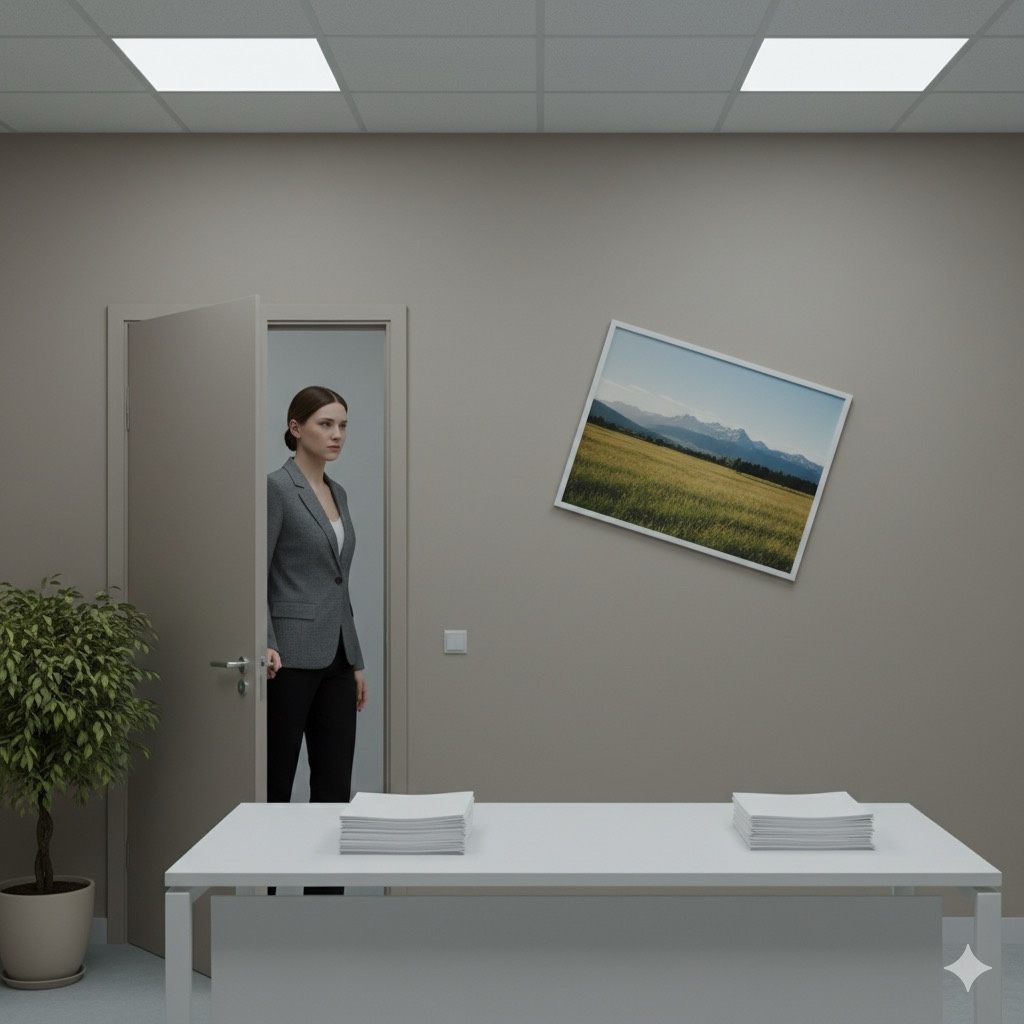
Write the first scene of a story in which the protagonist enters a space that appears safe, neutral, or routine. Within a page, introduce a subtle disruption that exposes the story’s core tension. Do not explain the conflict; let it manifest through gesture, silence, or an off-note detail. Allow the setting itself to hint at what’s at stake. The tone should make the reader feel the genre and the emotional current before the story declares it.
This scene must perform four invisible tasks at once: evoke a world that feels immediate and lived in; make the tone unmistakable through rhythm and word choice; plant a reason to keep reading; and let the first shadow of opposition slip into view.
Strong responses will anchor readers in a world through selective sensory compression: a smell, a texture, or a physical detail that implies history. The tone will emerge through the prose’s movement. Long, patient sentences suggest reflection or dread. Clipped, abrupt sentences signal volatility. Conflict will register through imbalance: what a character avoids seeing, what shifts in a repeated sound or word, what is almost spoken.
Weak responses will rely on exposition: telling where and when we are, labeling the mood (“he felt tense”), or naming the antagonist before the reader senses a threat. They will use adjectives instead of choices, explaining instead of implying. They will state the stakes rather than letting the reader feel them building.
Evaluation criteria
1. The world feels tangible and lived in through specific yet economical detail.
2. The tone is consistent and unmistakable, guiding emotional interpretation through rhythm and diction.
3. The seed of opposition is present through subtle imbalance, not overt declaration.
4. Every sentence earns its place by sustaining tension or deepening immersion.
Follow-up workshopping and revision questions
1. What expectation does your opening sentence create in the reader, and does the tone deliver or subvert it?
2. Which detail best reveals the setting’s history without exposition?
3. Does the opposition emerge naturally from the scene’s rhythm, or does it feel inserted?
4. If you remove one descriptive sentence, does the tone weaken or strengthen?
5. Does the language make the reader lean forward or lean back?
Recommended reading
Jhumpa Lahiri’s opening of “Interpreter of Maladies.” It compresses world, tone, and conflict into the simplest of gestures: a family tour, a guide, an observation. Every sentence carries dual meaning, surface calm and submerged unease.
AI Disclosure Statement:
This writing prompt was created in collaboration with ChatGPT, an AI model by OpenAI, to support creative practice. ChatGPT assisted with idea generation and drafting; the final text was edited by the author. The illustration was created using Google Gemini.

Leave a comment