
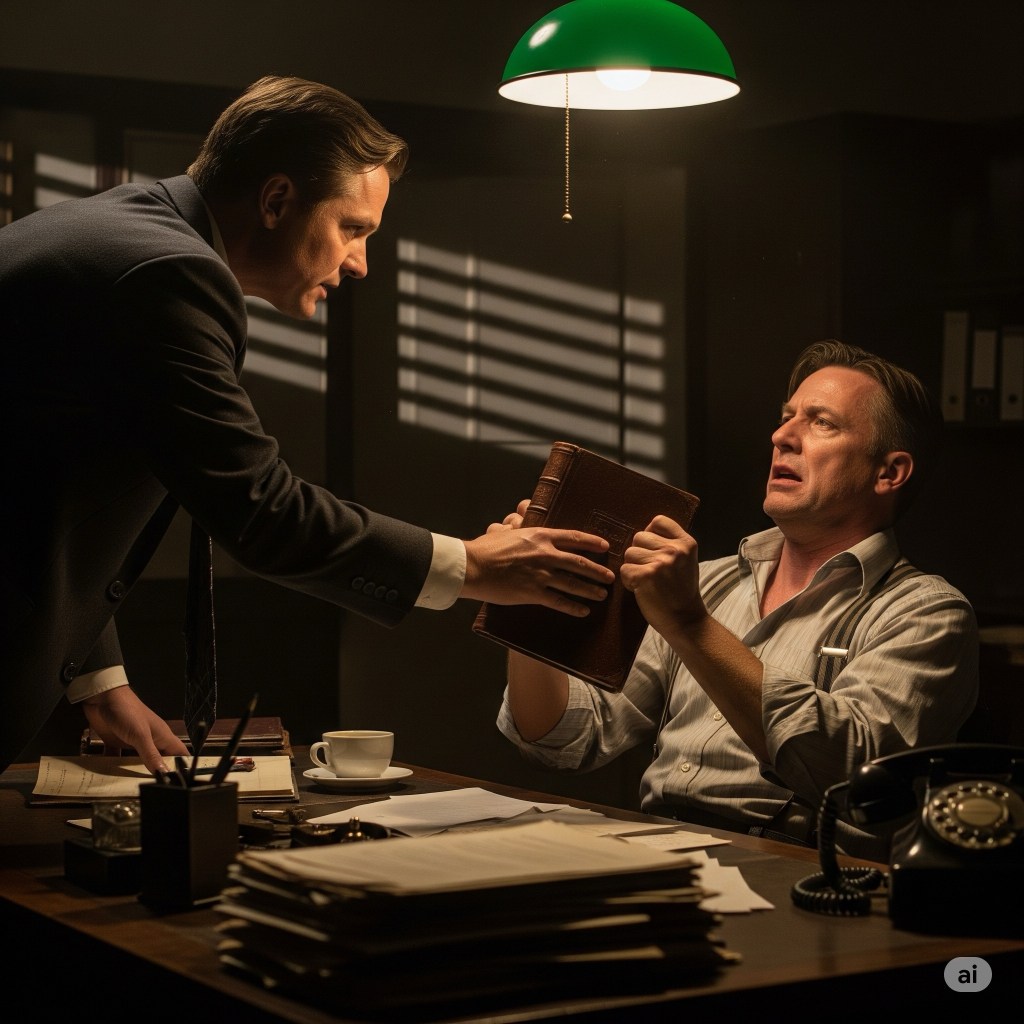
Friday Catalyst: Voices That Betray the Hidden Motive Prompt
Key techniques to practice
1. Revealing motive through dialogue rather than narration.
2. Using contradiction between spoken words and unspoken intention.
3. Allowing power dynamics to surface through conversational rhythm and interruption.
Writing prompt (aim for 500 words)
Write a scene between two characters who want different things from each other. One character must press for information, affection, or advantage. The other character must resist, evade, or conceal. Neither is permitted to state their true motive directly. Instead, the motives must leak through choice of words, tone, hesitation, or contradiction. At least once in the scene, a character must say something that is outwardly casual but inwardly loaded. Do not explain the hidden motive in narration; trust dialogue and gesture to carry it.
Strong example
A strong response might show a mother asking her adult son about his new job. The mother insists she is “just curious,” but her interruptions, her correcting of his phrasing, and her refusal to let silence settle reveal her fear that he is failing. The son’s clipped answers and sudden change of topic betray his resentment. The scene would end with the mother saying, “It’s good you’re busy,” which sounds supportive but drips with disappointment. The exchange reveals both characters’ motives without exposition.
Weak example
A weak response would have the mother say directly, “I’m worried you’ll fail,” and the son reply, “I resent your lack of faith.” Such a scene reduces dialogue to statements of fact and erases the tension. Another weak move is excessive narration after each line (“she said, worried that he would fail”).
Evaluation criteria
1. Motives remain unspoken but perceptible through dialogue and subtext.
2. Each character pursues an agenda consistently, even if indirectly.
3. The dialogue avoids on-the-nose statements of motive.
4. Tension escalates within the 500 words, arriving at a subtle but significant shift by the end.
Follow-up workshop questions
1. Where does the dialogue tip too far into directness and flatten the subtext?
2. Which line of dialogue best reveals motive through implication? Could more lines operate at that level?
3. Are the characters’ rhythms distinct enough that their voices can be identified without tags?
4. How might gesture, pause, or interruption heighten the stakes without added narration?
Recommended reading
Amy Hempel’s short story “The Harvest.” The clipped, evasive exchanges between characters demonstrate how much can be revealed through what is not said outright.

Leave a comment