
Writing Exercise: Transferring Narrative Energy
Techniques to Develop
1. Initial Narrative Charge: Establishing momentum early through tension, voice, conflict, or curiosity. This is the ignition of narrative energy—set in motion by a character’s need, a charged situation, or tonal friction.
2. Controlled Release: Managing and redirecting the energy across scenes, without dissipating or overloading it. Strong narratives pulse with movement—characters shift, stakes intensify, scenes escalate or pivot.
3. Energy Echo: Allowing early tension to resonate or transform in the later stages. This creates narrative cohesion, emotional payoff, and thematic depth.
Writing Prompt (500 words)
Write a short scene in which a character makes a seemingly small but emotionally charged decision at the beginning—something they do alone, in private, but that carries weight. In the rest of the scene, without introducing new characters or shifting location, show how the energy of that initial decision moves through the character’s body, mind, or surroundings. Let it affect their perception, choices, or actions in subtle but meaningful ways. Your scene should stay compressed in time—no more than twenty minutes elapse—but you must move the energy. It should not resolve into clarity or catharsis; the energy must evolve, not evaporate.
Evaluation Criteria
• The initial decision or moment must create a disturbance—psychological, emotional, tonal, or atmospheric.
• The scene must evolve organically from that point, showing a shift in pressure, stakes, or mood.
• The energy must stay present—building, transforming, or threatening to break.
• Language and rhythm must support the energy transfer: line by line, sentence by sentence.
• Avoid exposition or flashback unless it directly intensifies the present tension.
Strong Response
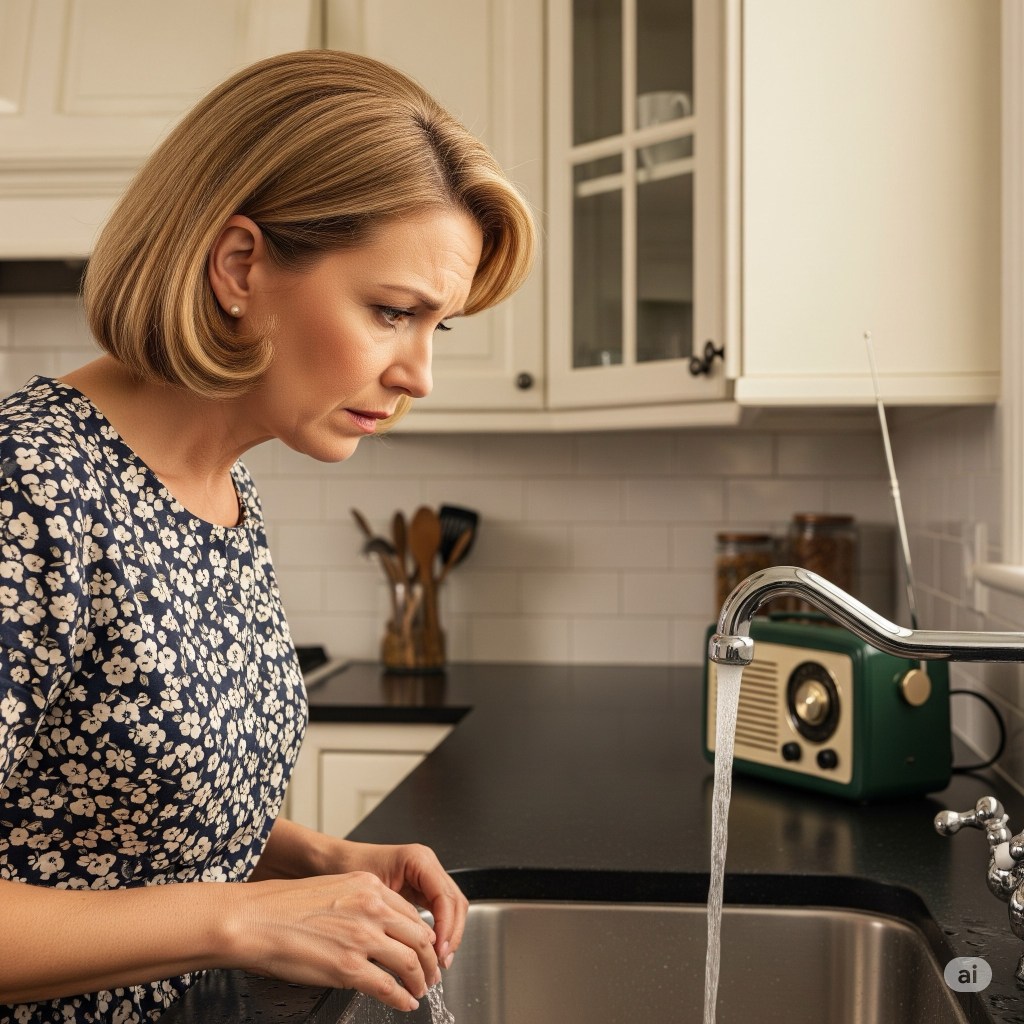
A woman deletes a voicemail from her estranged brother. At first, her gesture seems cold. As she washes dishes, the radio shifts songs, and we watch her movements stiffen, her breathing tighten. Her daughter calls from upstairs. She doesn’t answer. She stares at the sink water turning cold. She turns off the radio, sets the plate down, but can’t leave the kitchen. The energy from the deletion lingers. The scene closes with her dialing the voicemail system again—not to retrieve the message, but to ensure it’s really gone.
Weak Response
A man decides not to go to a party and instead reflects on his past relationships. He walks around his apartment, remembering childhood trauma, then opens a beer. The scene includes multiple flashbacks, ends with him watching Netflix, and nothing in his physical or emotional state changes from beginning to end. The initial choice never develops tension.
Follow-up Questions for Workshop/Revision
• Where exactly does the scene’s energy originate? Is that energy vivid and charged?
• Does the energy shift in direction, tone, or weight by the end?
• What internal or external cues signal change? Are they earned?
• Which lines feel like they’re doing the most to move or re-shape the energy?
• Are there moments where the energy plateaus or drains? Why?
Recommended Reading
Excerpt from Train Dreams by Denis Johnson — especially the first few pages. The opening action radiates through the entire novella with escalating, echoing force.
AI Disclosure Statement:
This writing prompt was created in collaboration with ChatGPT, an AI model by OpenAI, to support creative practice. ChatGPT assisted with idea generation and drafting; the final text was edited by the author. The illustration was created using Google Gemini.

Leave a comment