
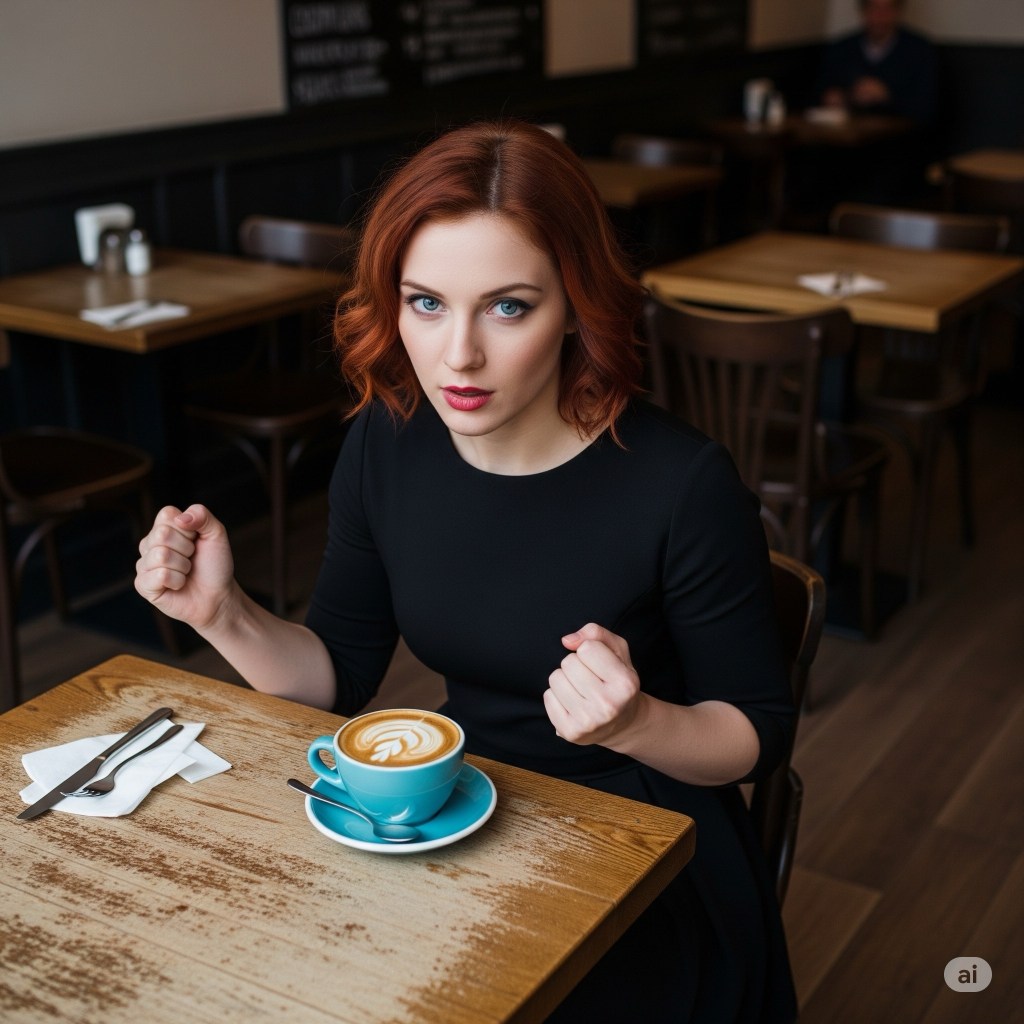
WRITING EXERCISE: The Scene That Refuses to Obey
Key Writing Practice Development Techniques:
Subversion of Conventional Structure – Breaking or reimagining the expected arc of conflict-climax-resolution. Narrative Disruption – Fracturing time, causality, or coherence to destabilize traditional storytelling. Textural Invention – Using voice, syntax, or form to resist smooth realism and expose the artifice of fiction.
500-Word Prompt:
Write a 500-word scene in which a character actively refuses to behave like a character in a story. The character senses or resents the presence of narrative machinery—whether through inner resistance, formal breakdown, or overt rebellion—and resists the pressures of cause-effect, transformation, or revelation. There must be no clear plot. Do not build toward change or catharsis. Let the tension come from what is withheld, obstructed, or collapsed.
Dialogue may appear, but it should function improperly—awkward, circular, evasive, or knowingly performative. Scene-setting should feel unfinished, irrelevant, or self-erasing. You may fragment time or point of view, distort form, interrupt the flow with commentary, footnotes, misdirection, or blank space. Deny the reader what they’ve been trained to expect.
Do not write a story that ends in epiphany. Write a moment that disintegrates while being watched.
Strong Response Example:
A woman enters a room she’s sure contains meaning. She stands still. A narrator begins to explain the significance of the curtains, but she interrupts: “Stop dressing the room like it matters.” She feels a memory stir, but she chooses not to feel it. A phone rings, but she refuses to pick it up because it’s “too obvious.” The page breaks into white space. She writes her own ending—just a list of items she forgot to buy.
Weak Response Example:
A man wakes from a dream about drowning. He meets a mysterious stranger in a café. They talk about the meaning of dreams. He realizes he’s been avoiding something. He walks into the ocean and feels peace. The narrative resolves. The character arcs. Everything functions. The piece obeys conventional story logic.
Evaluation Criteria:
– Breaks or undermines narrative structure deliberately
– Uses resistance as a creative force: resistance to plot, character development, or emotional payoff
– Disorients or unsettles through voice, syntax, pacing, or form
– Pushes against realism without resorting to incoherence
– Maintains thematic or emotional pressure without relying on narrative closure
Follow-Up Workshop Questions:
– Where does the piece most successfully disrupt reader expectation?
– Where does it unintentionally slip into familiar narrative habits?
– What tools (syntax, layout, repetition, contradiction) can further disturb the frame?
– Does the character feel like a person resisting narrative, or a construct resisting the reader?
– Could the form itself more radically mirror the content’s disobedience?
Recommended Reading:
Excerpt from The Mezzanine by Nicholson Baker – a text that suspends narrative movement in favor of obsessive interiority, circular logic, and refusal of plot-driven expectation.
AI Disclosure Statement:
This writing prompt was created in collaboration with ChatGPT, an AI model by OpenAI, to support creative practice. ChatGPT assisted with idea generation and drafting; the final text was edited by the author. The illustration was created using Google Gemini.

Leave a comment